

Fashion & Textiles insights
Logistics and supply-chain content for Fashion & Textiles — practical articles.
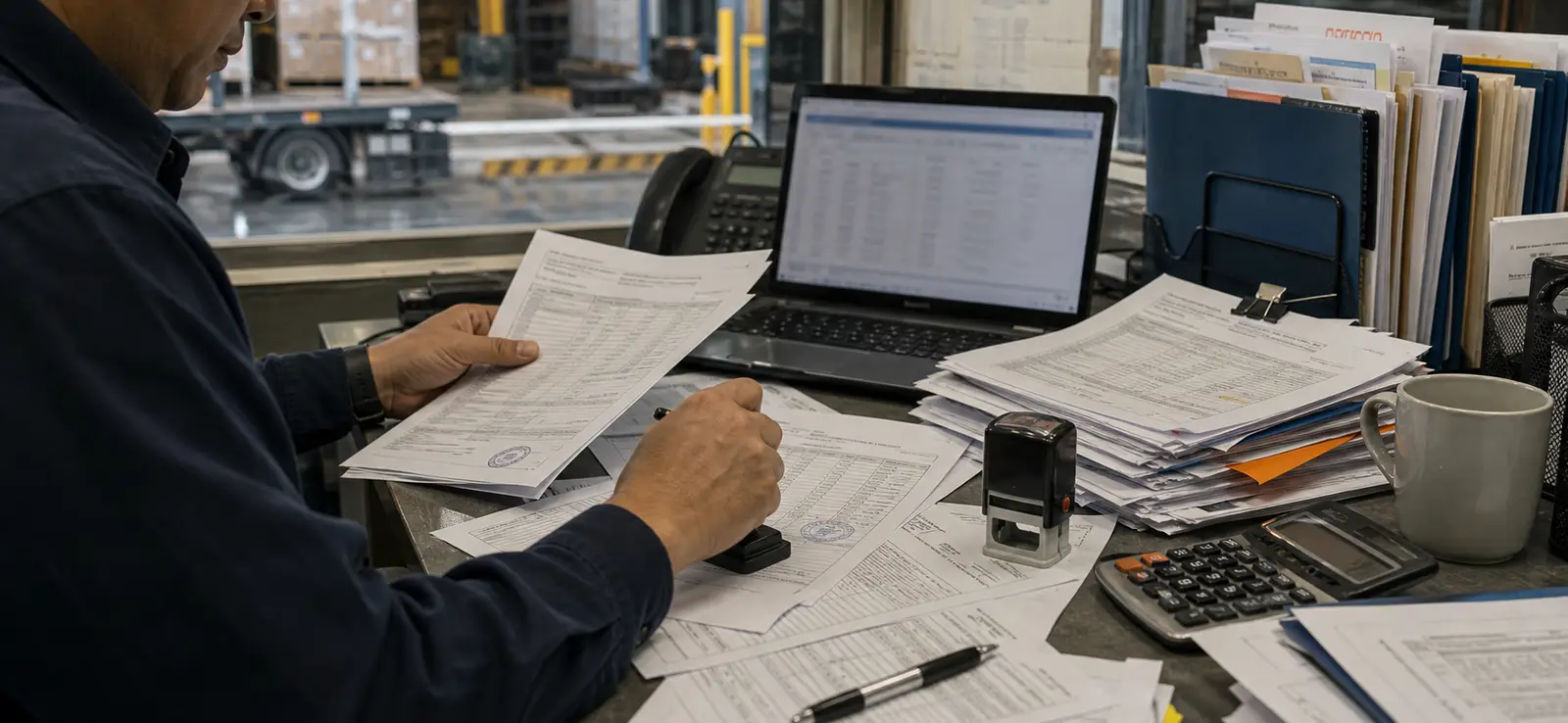
Duty Drawback: Recover Up to 99% of US Import Duties
Duty drawback refunds up to 99% of the duties, taxes, and fees you paid on imports that later leave the US. This guide covers who qualifies, the three drawback types, the 5-year deadline, and how licensed customs broker partners file claims.
FTZ vs Bonded Warehouse: Which Defers More Duty?
A Foreign-Trade Zone and a bonded warehouse both let duty wait while your goods sit. They differ on which rate you pay, how long you can wait, and what you may do with the cargo. This guide runs the comparison with the 2026 tariff rules in view.
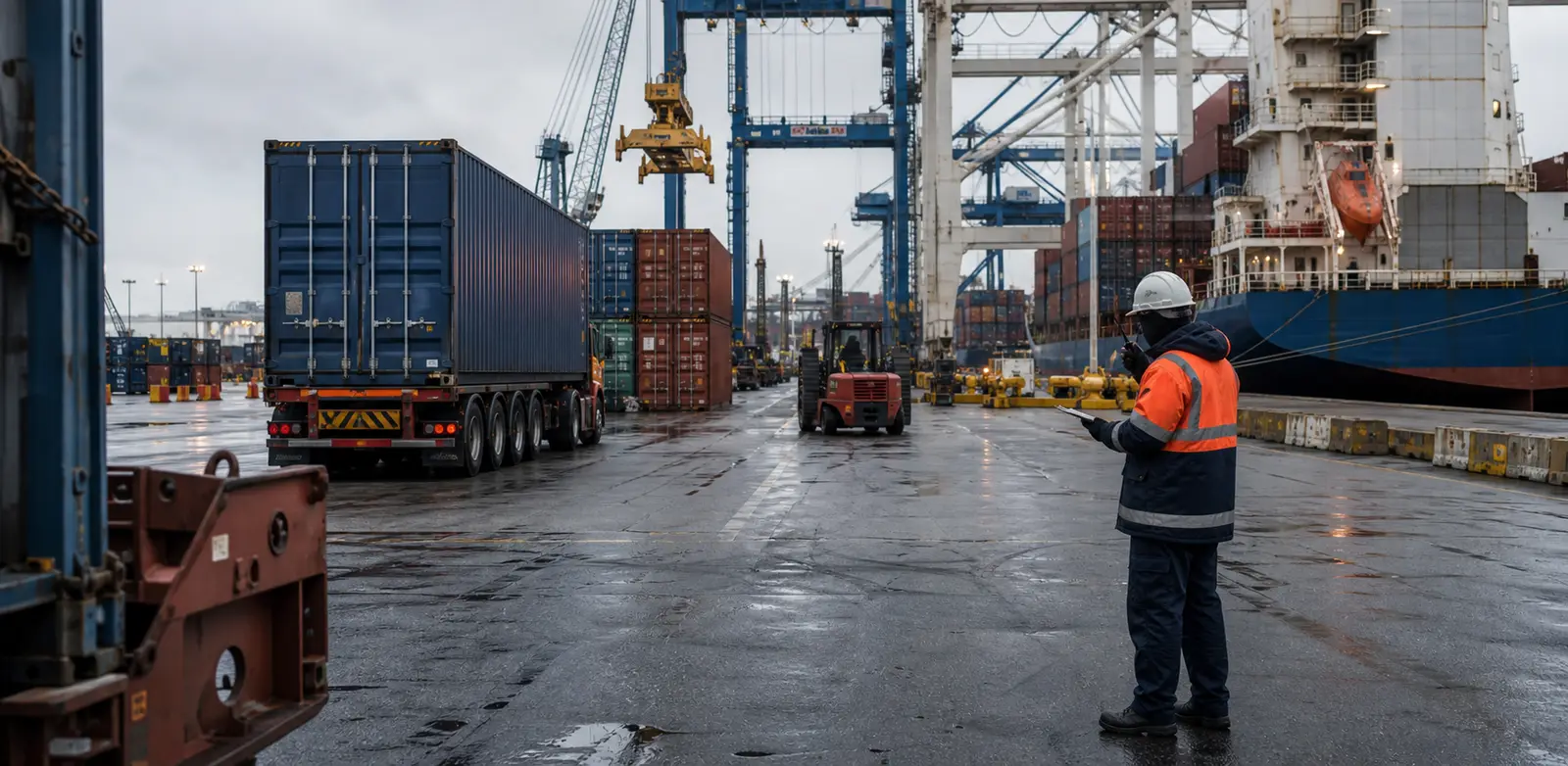
How to Import from India to USA in 2026
India ranks among the largest sources of US imports. It ships everything from generic drugs and diamonds to cotton apparel and machine parts. Maybe you're planning your first purchase order from an Indian supplier. Or you're moving part of your sourcing out of China. Either way, this guide covers the full process — costs, transit times, tariffs, documents, and customs clearance.
How to Import from Vietnam to USA in 2026
Vietnam is now one of the largest sources of U.S. imports. Factories there make electronics, apparel, footwear, furniture, and much more. Maybe you're sourcing from Vietnam for the first time. Or you're moving part of a China supply chain there. Either way, this guide covers the full process. It runs from finding suppliers to clearing customs at U.S. ports.
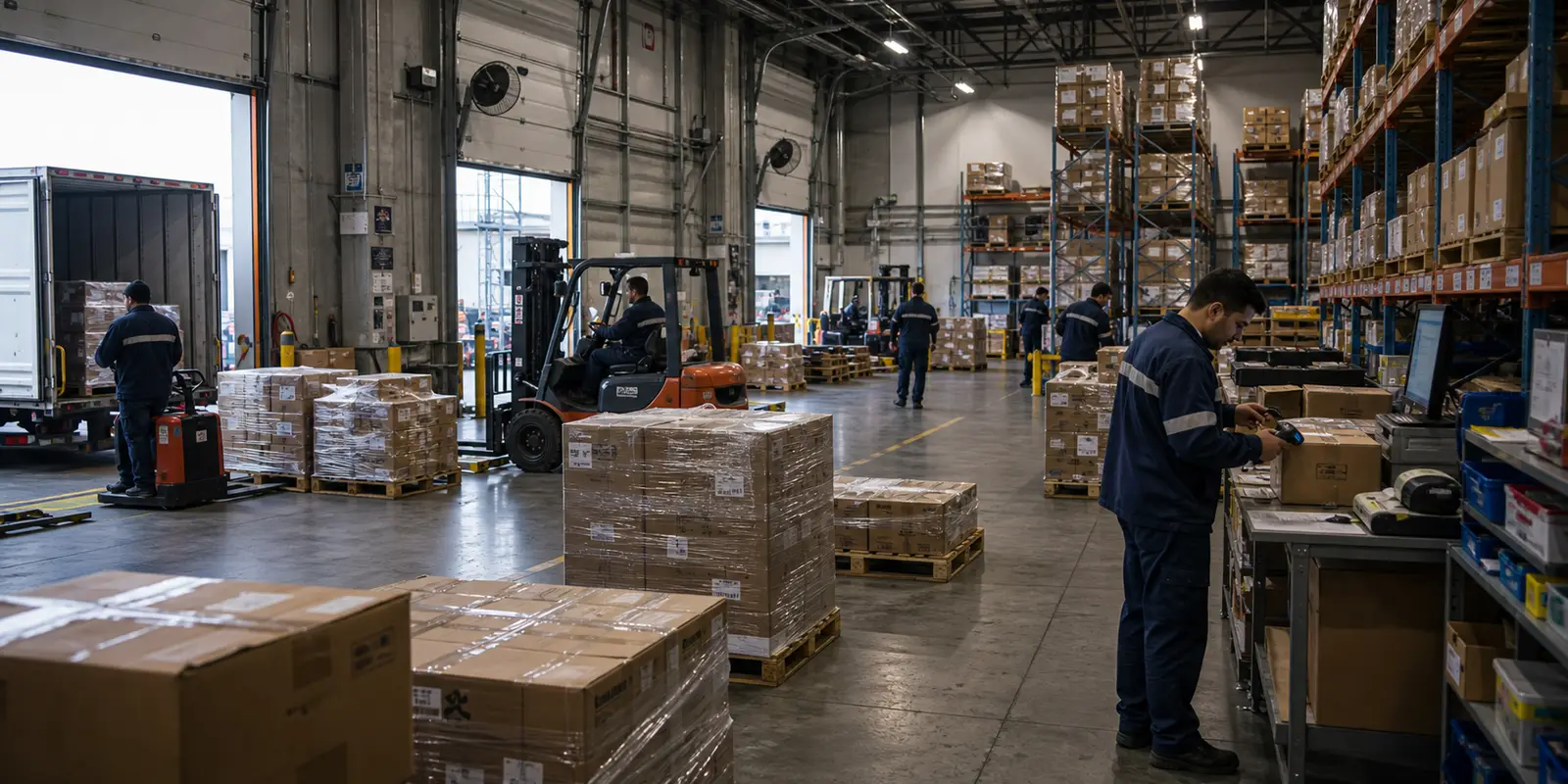
Bonded Warehouses: Defer Duty, Protect Cash Flow
A customs bonded warehouse lets you store imported goods without paying duty until you actually need them. In a high-tariff market, that timing shift can free serious working capital. This guide covers how bonded storage works, what it costs, and when it beats an FTZ or a standard warehouse.
HS Code Classification: How to Find the Right Code
Every product that crosses a border needs an HS code. That code sets your duty rate, your tariff exposure, and your audit risk. This guide explains how the system works and how to classify any product step by step — no customs background required.
Telex Release vs Original B/L: Which Release Method Fits Your Shipment?
A telex release lets your buyer collect cargo without paper documents. An original bill of lading keeps the cargo locked until the seller gets paid. Pick the wrong one and you either delay your container or lose control of your goods. This guide shows you exactly when to use each method.
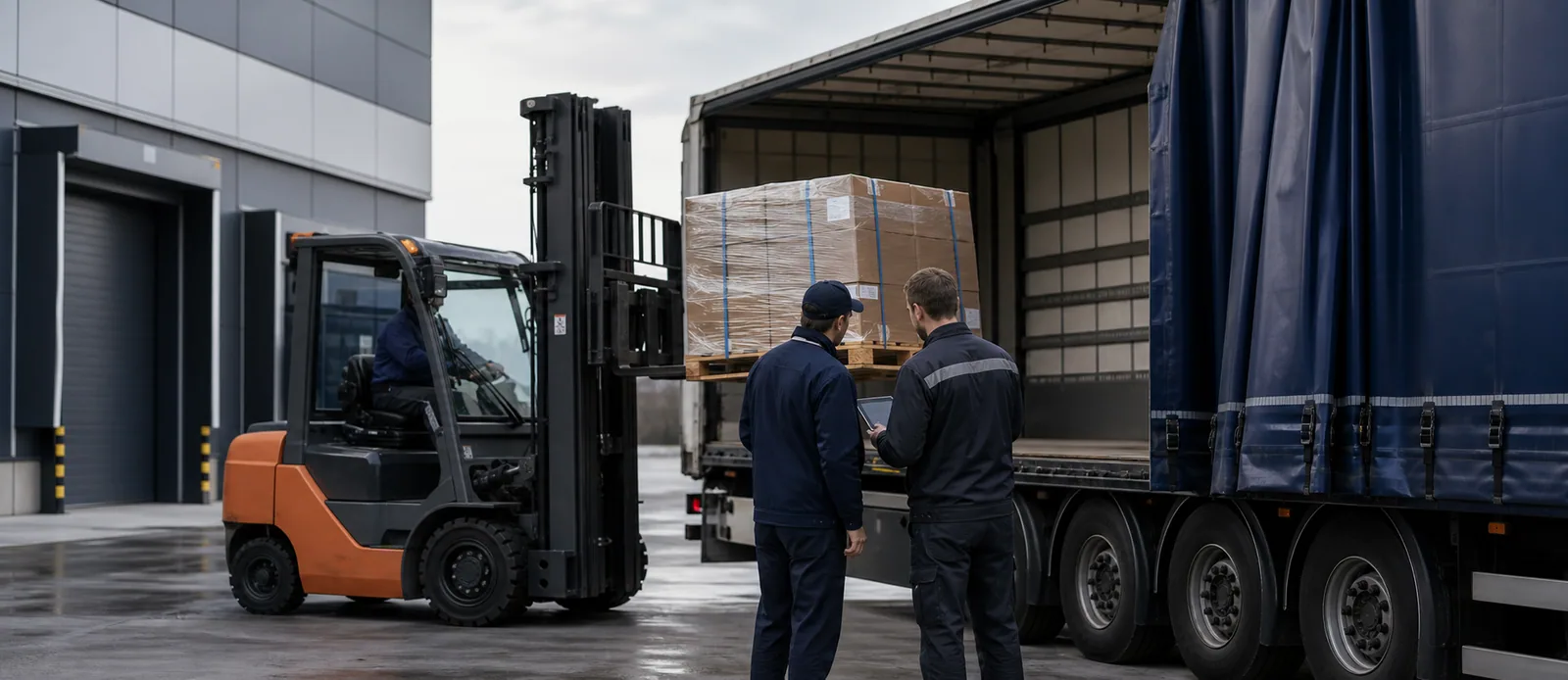
FCA Incoterms: Free Carrier Explained
FCA (Free Carrier) means the seller clears goods for export and delivers them to the buyer's carrier at the named place. From that handoff, the buyer takes the cost and risk; FCA works for every transport mode.
DDP vs DAP Incoterms: Which Is Right for You?
DDP and DAP differ mainly on import clearance and duties: the seller handles them under DDP; the buyer handles them under DAP. Under both, the seller carries transport cost and risk to the named place.
Freight Forwarding for Small Business: The Complete Beginner's Guide
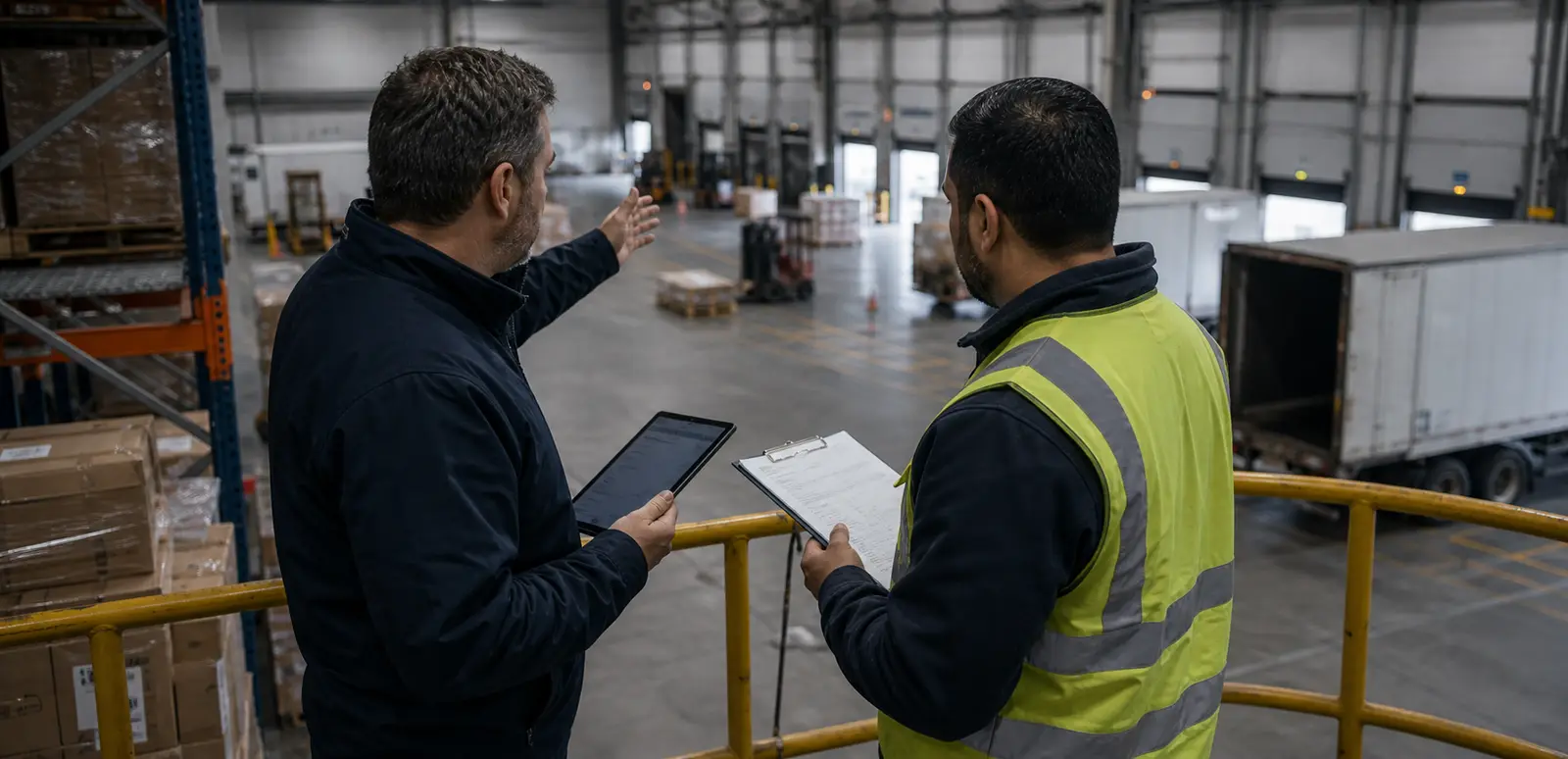
Are you a small business, and is this your first time importing? The logistics world can feel like a lot. Incoterms, customs bonds, HS codes, LCL vs FCL, demurrage — it's a lot of new terms at once. This guide explains it all in plain language. Learn when you need a forwarder, what it costs, and how to dodge costly beginner mistakes.
How to Import from Brazil to USA in 2026
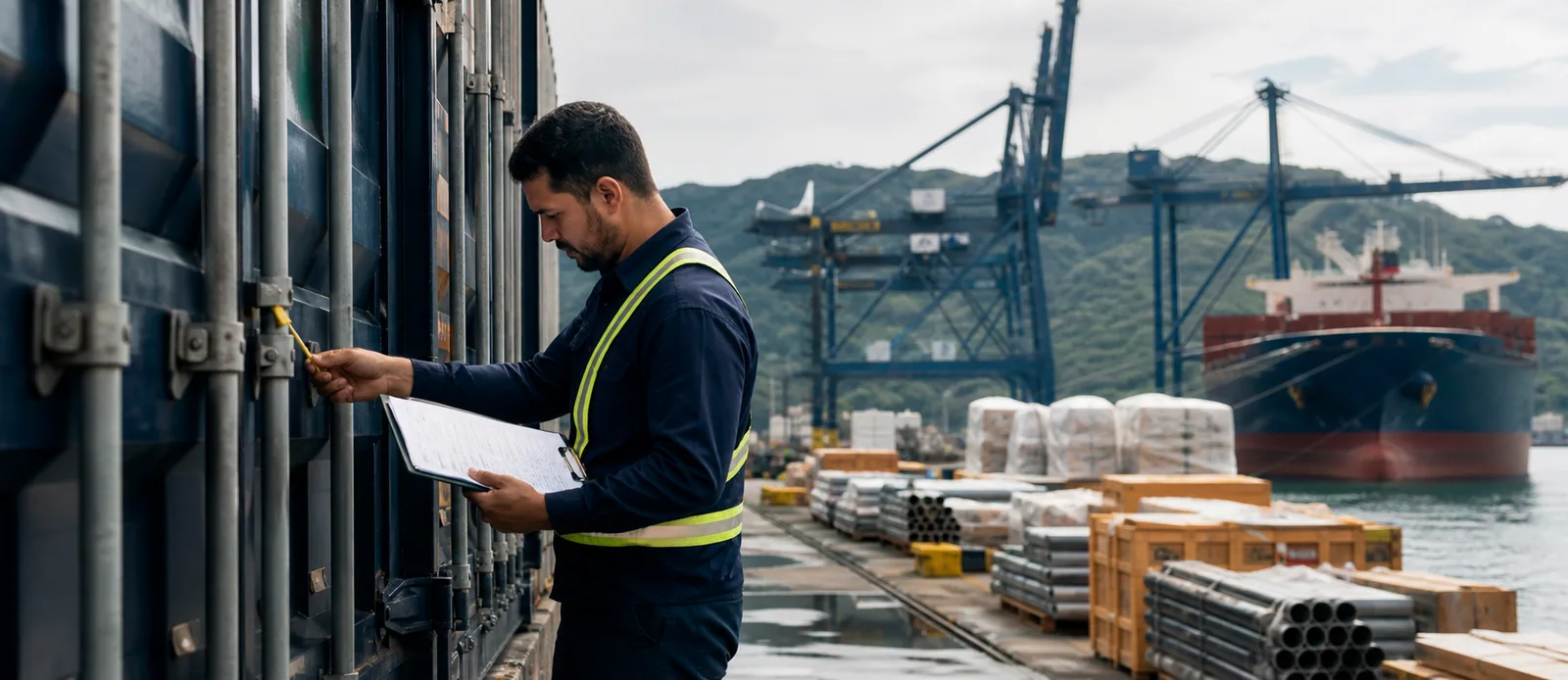
Brazil is a major trading partner of the United States. It exports everything from coffee and steel to aircraft parts and fashion textiles. Maybe you're importing Brazilian goods for the first time. Or you're scaling a supply chain you already run. Either way, this guide covers the full process. It goes from finding suppliers to clearing customs at U.S. ports.

International Shipping Rates: Ocean vs Air vs Ground
Choosing the right shipping mode is the most impactful logistics decision you'll make. The difference between ocean and air freight on the same route can be 5-8x in cost but 4-6x in speed. This side-by-side comparison of 2026 rates, transit times, and real-world scenarios helps you pick the optimal mode for every shipment.
Anything you need, we're here to help.
Talk to a real freight coordinator. Pick the channel that fits how fast you need an answer.