

All articles — page 4
Guides, comparisons and cost breakdowns from the Suaid Global editorial team. No filler, no content farm.
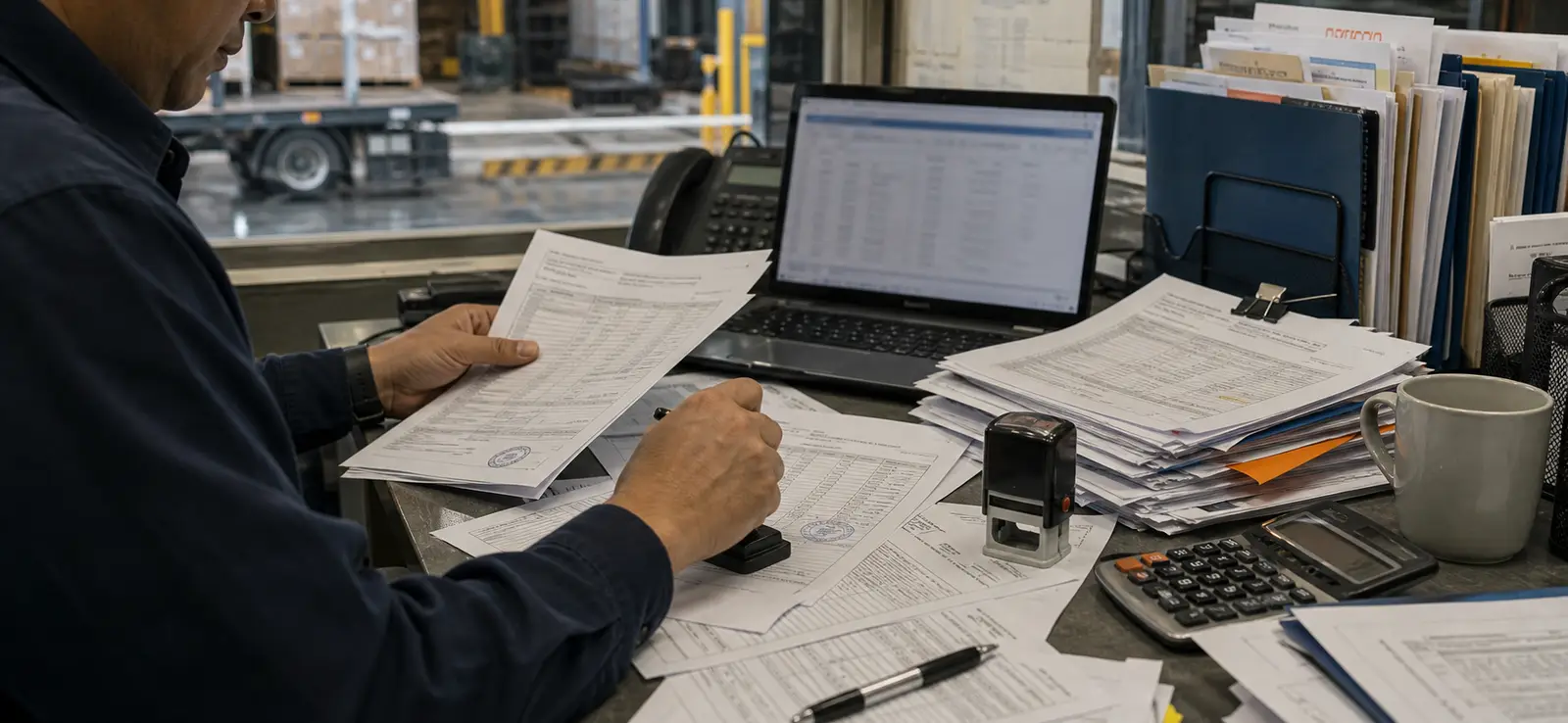
DAP Incoterms: Delivered at Place Explained
DAP (Delivered at Place) is an Incoterm. Under this rule, the seller delivers goods to a named place. The goods must be ready to unload. The seller pays every cost and carries all risk up to that point. The buyer takes over from there and handles import customs, duties, taxes, and unloading. DAP is a popular choice for B2B imports. It gives buyers a price that is close to a full door price, while buyers still stay in control of their own customs work.
EXW Incoterms: Ex Works Explained
EXW (Ex Works) puts pickup, export clearance, freight, import clearance and duties on the buyer. The seller only makes the goods available at the named place; for international shipments, FCA often avoids the export-clearance problem.
FAS Incoterms: Free Alongside Ship Explained
FAS (Free Alongside Ship) is an Incoterm rule where the seller delivers goods alongside the vessel, at the named port of shipment — on the quay or barge. The buyer must handle loading onto the vessel, ocean freight, insurance, and all import tasks. FAS is a niche Incoterm, used mostly for bulk commodities and break-bulk cargo. This guide explains when FAS makes sense, how it differs from FOB, and the full breakdown of who does what.
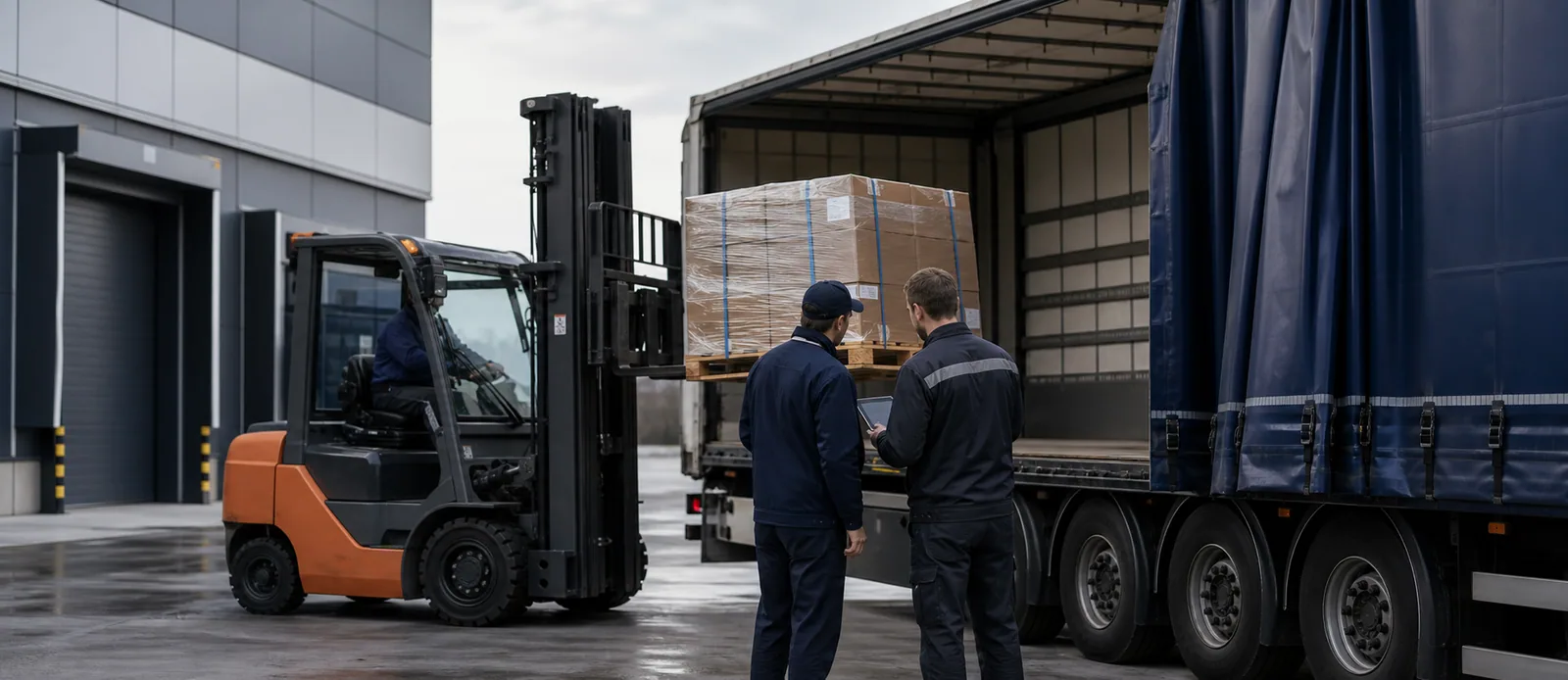
FCA Incoterms: Free Carrier Explained
FCA (Free Carrier) means the seller clears goods for export and delivers them to the buyer's carrier at the named place. From that handoff, the buyer takes the cost and risk; FCA works for every transport mode.
FOB Destination vs DDP: Two Terms, Two Legal Systems
FOB Destination and DDP both mean the seller pays freight to the buyer's location. But the two terms come from two different rule books. FOB Destination is a US home-market term set by the Uniform Commercial Code (UCC Article 2). DDP (Delivered Duty Paid) is a world-trade term from the ICC Incoterms 2020 rules. Pick the wrong one in a contract, and gaps can appear. You may face unclear insurance cover, unclear duty risk, and legal fights no one saw coming.
FOB Incoterms: Free on Board Explained
FOB (Free on Board) is the most widely used Incoterm in global sea freight. The seller handles export clearance and delivers goods on board the vessel at the named port of shipment. Once the goods are loaded, all costs and risks transfer to the buyer. FOB gives importers full control over ocean freight, carrier selection, and insurance — which is why it dominates B2B trade from China, India, and Southeast Asia.
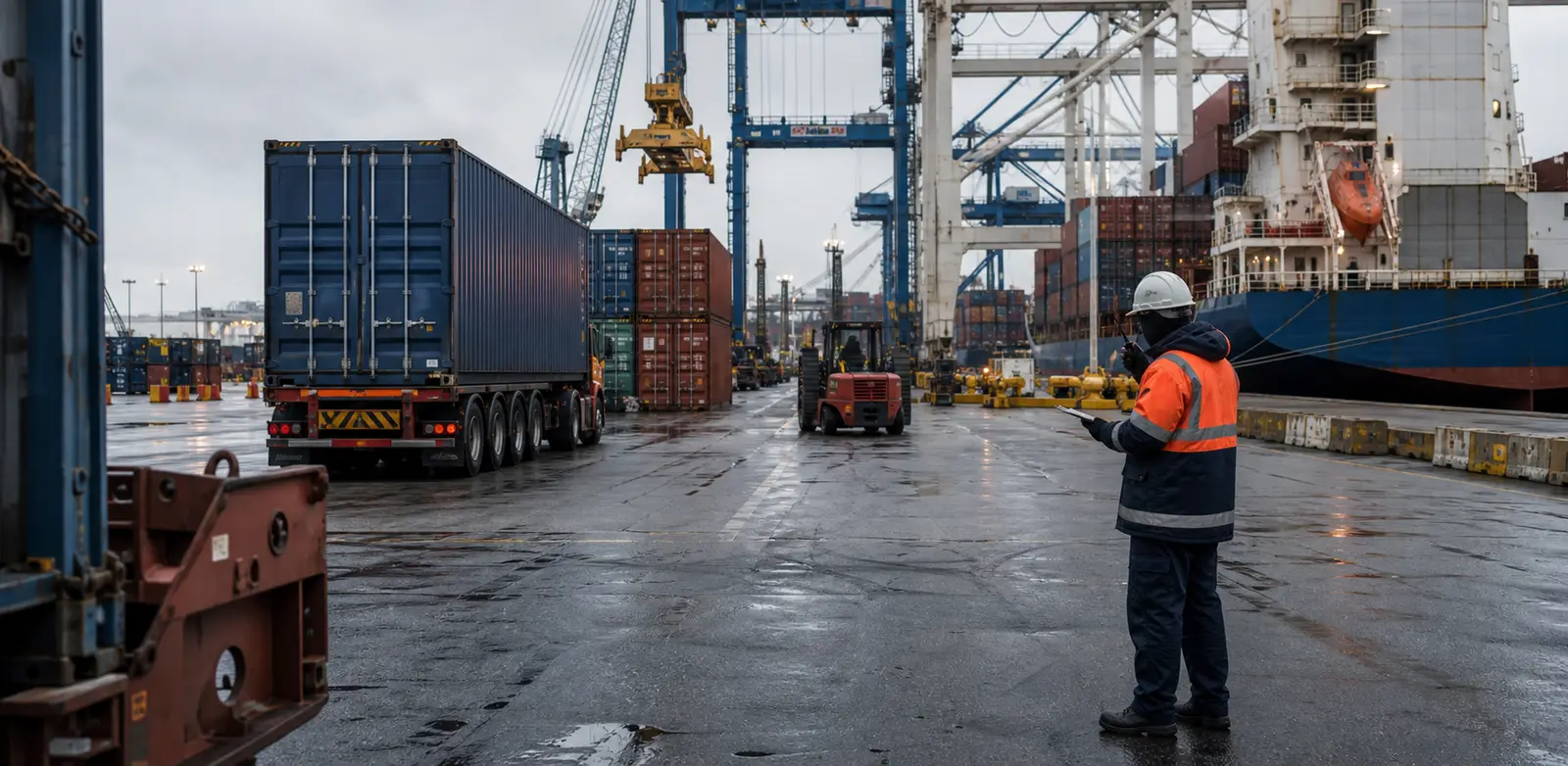
Amazon Freight Forwarding: Beyond FBA Shipping
Amazon sellers face their own set of logistics challenges. Strict FBA prep rules, tight warehouse receiving windows, and the constant push to stay in stock without overstocking, all add real pressure. This guide explains how freight forwarding works for Amazon sellers. It shows you how to pick a forwarder who gets e-commerce. And it shows you how to cut shipping costs while you stay Amazon-compliant.
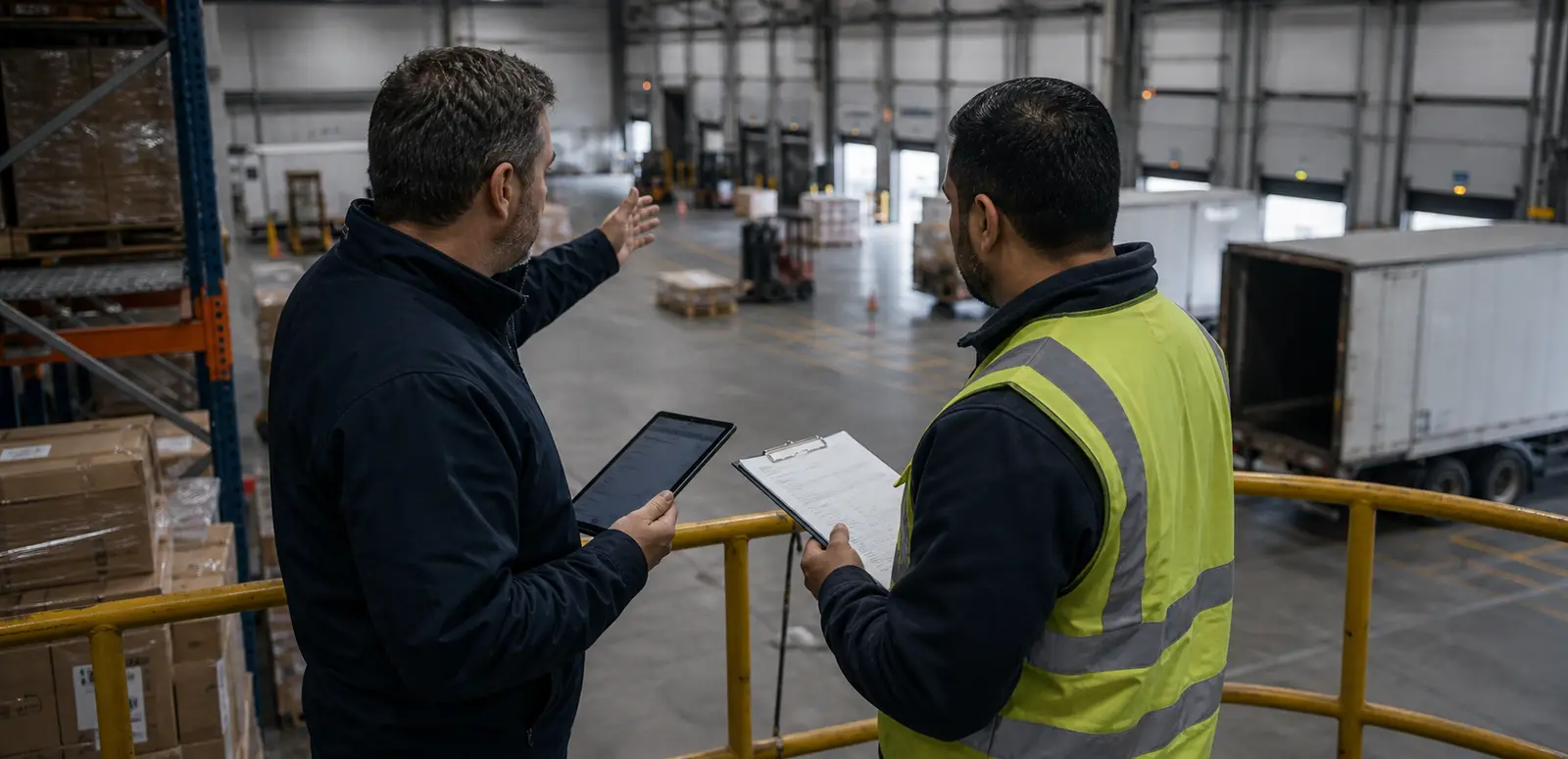
Best Freight Forwarding Companies 2026: How to Evaluate & Choose
Search for the 'best freight forwarding company' and you get millions of results and dozens of top-10 lists. But the best fit for a Fortune 500 retailer looks nothing like the best fit for a first-time importer. This guide gives you a real way to judge and pick the right freight forwarder for your needs, volume, and trade lanes.
Customs Broker Fees 2026: Complete Cost Breakdown
Customs broker fees run $150–$400+ per formal entry in 2026. Government fees come on top: the Merchandise Processing Fee (0.3464% of value), a Harbor Maintenance Fee on ocean imports, plus bonds and duties. This guide breaks down every line so you can budget right and compare itemized quotes.
DDP vs DAP Incoterms: Which Is Right for You?
DDP and DAP differ mainly on import clearance and duties: the seller handles them under DDP; the buyer handles them under DAP. Under both, the seller carries transport cost and risk to the named place.
Digital Freight Forwarding: What It Is & How It Works
Digital freight forwarding is the fastest-growing part of the logistics industry today. Search interest has jumped 700% since 2024, and it keeps climbing. But what does 'digital' really mean for shipping your goods? This guide walks you through how digital platforms work. You'll see where they shine, where they fall short, and how to pick between digital, traditional, and hybrid freight forwarding models.
FCL Container Rates 2026: 20ft & 40ft Costs by Route
A 40ft container from Shanghai costs about US$7,352 to Los Angeles and US$9,726 to New York (Drewry WCI, September 10, 2026). Below are prices by container size and route, plus the charges outside the ocean rate.
Get the strategic issues first.
Data reports, corridor analyses and pricing outlooks for operators — qualified subscribers get the deep dives a week before they're published here.
By subscribing you agree to receive The Route Brief by e-mail. Unsubscribe anytime — one click, no questions.
Anything you need, we're here to help.
Discuss your shipment with Suaid Global. Choose a contact channel below.
Request a quote
Share the route, cargo and timing so the quote can state its scope and exclusions.
Start a quoteTalk now on WhatsApp
Use WhatsApp for route questions, quote follow-up or shipment details.
Open WhatsAppEmail the team
Include your shipment details and preferred contact information.
contact@suaidglobal.com